Thinking About a New Driveway? Here's the Real Talk.
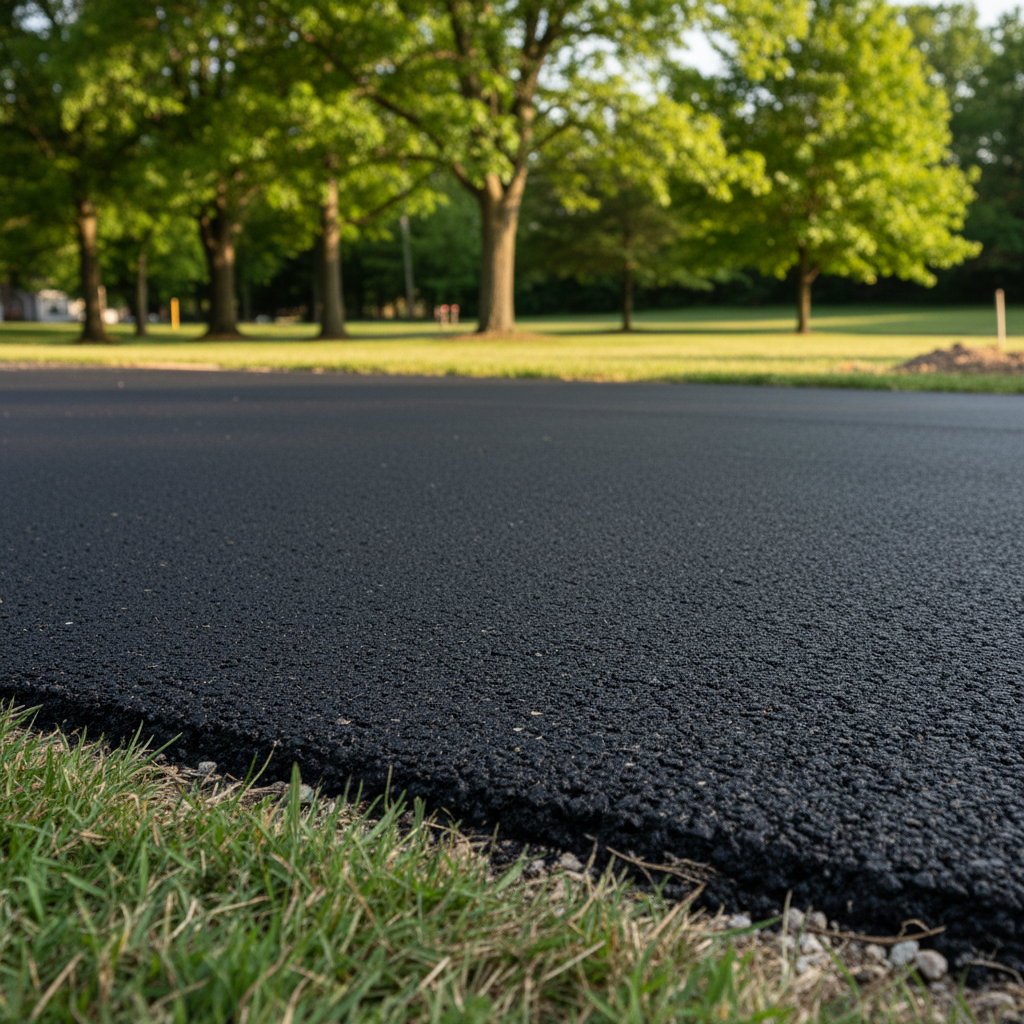
So, you're eyeing your driveway and figuring it's time for a change, right? Maybe it's all cracked up, or you're finally putting in that new garage. Whatever the reason, getting asphalt paving done right for your Louisville home isn't brain surgery, but it definitely takes some know-how. I've seen plenty of driveways come and go around here, from the Highlands to Prospect, and I can tell you there's a big difference between a quick DIY patch job and a professional installation that actually lasts.
This isn't about trying to sell you something; it's about giving you the honest truth on what you need to know before, during, and after your asphalt project. You'll learn what you can realistically tackle yourself to save a few bucks. More importantly, you'll find out when it's absolutely essential to pick up the phone and call a pro like us at Absolute Asphalt Co.
Before the Shovel Hits the Dirt: Planning Your Project
Before you even think about buying a bag of cold patch, you've got to plan. This is where you, the homeowner, can really do a lot of the groundwork that'll pay off big time.
- Figure out what you actually need: Is it just a small repair? A full tear-out and replace? Or maybe you're extending an existing driveway? Don't just guess. Walk your property, measure things, and snap some pictures.
- Understand your soil: This is a huge deal, especially around here. Louisville has its share of clay soils, and if you don't prep that base correctly, your asphalt won't last. A good contractor will know this, but you should be aware that a solid, well-drained base is the foundation of everything. You simply can't pave over mud and expect it to hold up.
- Check local codes and permits: Believe it or not, even residential driveways sometimes need permits, particularly if you're changing the size or connecting to a city street. A quick call to Louisville Metro Planning & Design Services can save you a headache later. Seriously, don't skip this step.
- Get multiple quotes: Don't just go with the first person who gives you a price. Talk to at least three reputable paving companies. Ask them about their process, their materials, and their warranty. A good contractor won't mind you asking questions.
- Clear the way: If you're doing a full replacement, think about what's in the way. Sprinkler heads? Landscaping? Old concrete that needs busting up? You can often save some money by doing the initial clearing or demolition yourself, but be realistic about what you can handle. Breaking up concrete is hard, dirty work, and you'll need proper tools.
During the Paving: What to Expect and When to Step Back
Once the project starts, this is mostly when the pros take over. You're paying them for their expertise, equipment, and crew, so let them do their job. But you're not entirely out of the picture.
- The Base Layer: This is critical. A good contractor will compact the subgrade, then put down a proper aggregate base (like crushed stone) and compact that too. You should see heavy machinery doing this. If they just dump asphalt on unprepared ground, that's a huge red flag.
- The Asphalt Laying: Asphalt gets laid hot. It's a precise process, using specialized equipment. This isn't something you can do yourself with a shovel and a roller from the hardware store. The temperature, the thickness, and the compaction all have to be just right for a durable finish.
- Compaction: After the asphalt is laid, it needs to be compacted immediately with heavy rollers. This is what gives it strength and density. You'll see the crew working quickly and systematically.
- Your role: Mostly, stay out of the way, but be available for questions. If you notice something that looks off, don't be afraid to politely ask the foreman about it. A good crew will explain what they're doing.
After the Job's Done: Curing and Care
The paving is done, it looks great, but your job isn't over yet. How you treat that new asphalt in the first few weeks and months makes a big difference in how long it lasts.
- Stay off it: This is the golden rule. Fresh asphalt needs to cure. Your contractor will tell you how long, but generally, it's 2-3 days for light foot traffic and 5-7 days (or even longer in hot Louisville summers) before you drive a car on it. Heavy trucks? Forget about it for a few weeks. Driving on it too soon will create ruts and tire marks that won't go away.
- Avoid heavy turning: When you do start driving on it, avoid sharp turns with a stationary wheel. This can scuff and damage the new surface. Think wide turns, keep moving.
- Watch for heavy loads: Don't park heavy RVs, trailers, or construction equipment on your new driveway for a while. The asphalt is still soft and can indent.
- Don't sealcoat too soon: You might be tempted to sealcoat right away to protect your investment. Don't. Most asphalt needs 6-12 months to fully cure before it's ready for sealcoating. Your contractor will advise you on the best timing.
- Clean up spills quickly: Oil, gas, and other chemicals can soften and damage asphalt. Clean them up as soon as they happen.
Look, a well-paved asphalt driveway isn't just about curb appeal; it's a functional part of your home that takes a beating from our Kentucky weather. Doing it right the first time, with the right planning and professional help when it counts, will save you money and headaches down the road. If you've got questions or need a quote, don't hesitate to give Absolute Asphalt Co. a call. We're always happy to talk paving.