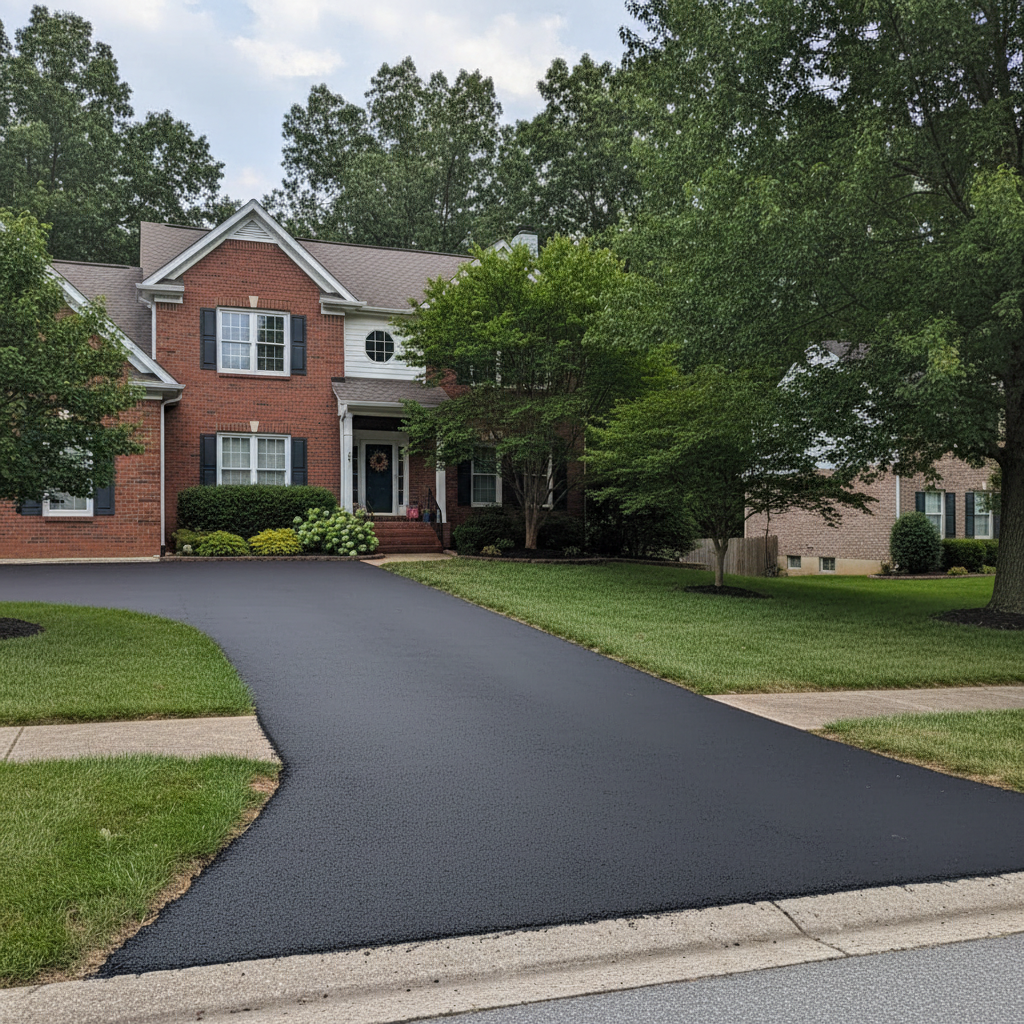
Thinking about a new asphalt driveway? Maybe you're finally tackling that old, cracked mess, or putting one in for the very first time. That's fantastic! A well-done driveway really boosts your home's curb appeal and can last for decades. But here's the thing: I've been doing this a long time here in Louisville, and I've seen homeowners trip up on the same mistakes again and again. These aren't just little oopsies; they're the kind of blunders that lead to regret, extra costs, and a driveway that simply doesn't hold up.
Not Getting Enough Bids (Or Getting Too Many Bad Ones)
This is a big one, for sure. You absolutely need to get quotes, but don't just grab the first three numbers you hear. And please, never go with the cheapest guy without doing your homework first. I've seen folks get burned by contractors who offer a rock-bottom price, then cut corners on materials, skip crucial prep work, or just vanish halfway through the job. On the flip side, don't get so many bids that you feel completely overwhelmed. Usually, three to five solid, reputable contractors are plenty. Ask around, check online reviews, and make sure they're licensed and insured. It's not just about the price, you know? It's about the value and, frankly, not having to worry.
Ignoring the Subgrade (Out of Sight, Out of Mind)
This is probably the most critical mistake, and it's often invisible once the asphalt is laid. The subgrade is the soil underneath everything else. If it isn't prepared correctly — compacted, graded, and stable — your beautiful new asphalt won't last. Here in Louisville, we've got a lot of clay soil, especially in older neighborhoods like the Highlands or St. Matthews. Clay can swell when wet and shrink when dry, which is a real nightmare for pavement if it's not handled right. A good contractor will check your subgrade, make sure it drains properly, and compact it thoroughly. If a quote doesn't even mention subgrade prep, that's a huge red flag. They might just be paving over problems that will show up later as cracks and potholes.
Falling for the 'Asphalt Sealer' Scam
Look, sealing your driveway is important for protecting it, but there's a right way and a wrong way. The wrong way? Letting someone pressure you into an immediate, cheap sealcoating job right after your new asphalt is laid. New asphalt needs time to cure, usually 6-12 months, before it should be sealed. Sealing it too soon can trap volatile oils, stopping proper curing and leading to premature cracking and deterioration. Also, be wary of door-to-door guys with leftover sealer from 'another job.' They're often using diluted, low-quality material that won't do much good at all. Do your research, understand the curing process, and get a professional opinion on when and how to seal your driveway properly.
Not Asking About the Asphalt Mix
You wouldn't buy a car without knowing what kind of engine it has, would you? The same idea applies to your asphalt. There are different mixes out there, designed for different uses. For a residential driveway, you want a specific type that's durable and made for the weight of cars, not heavy trucks. A good contractor, like us at Absolute Asphalt Co, will be upfront about the asphalt mix they're using. They should be able to tell you the aggregate size, the binder content, and why it's the right choice for your project. If they're vague or act like it's some big secret, that's a sign they might be using a cheaper, less durable mix just to save a buck.
Ignoring Drainage Considerations
Water is asphalt's worst enemy. If your driveway doesn't drain correctly, you're going to have problems. Puddles can lead to accelerated deterioration, especially with our freeze-thaw cycles here in Kentucky. When water seeps into cracks and then freezes, it expands, making those cracks bigger. A proper asphalt job includes careful grading to ensure water flows away from your house and off the driveway. Don't assume the contractor will just 'figure it out.' Talk about drainage upfront. Point out any areas where water tends to collect now. A good plan will address these issues before the first load of asphalt even arrives.
Not Getting Everything in Writing
This seems obvious, but you'd be surprised how many folks rely on a handshake and a verbal agreement. Get a detailed contract. It should clearly outline the scope of work, materials to be used (including thickness of asphalt and base layers), start and end dates, payment schedule, and any warranties. If it's not in writing, it didn't happen. This protects both you and the contractor, preventing misunderstandings down the road. Don't be afraid to ask questions until you understand every single line item. It's your money, after all, and you deserve to know exactly what you're paying for.
Hiring for an asphalt project shouldn't feel like a gamble. By avoiding these common mistakes, you'll be well on your way to a durable, beautiful driveway that truly adds value to your Louisville home. Do your homework, ask the tough questions, and don't settle for anything less than a quality job. You'll be glad you did.