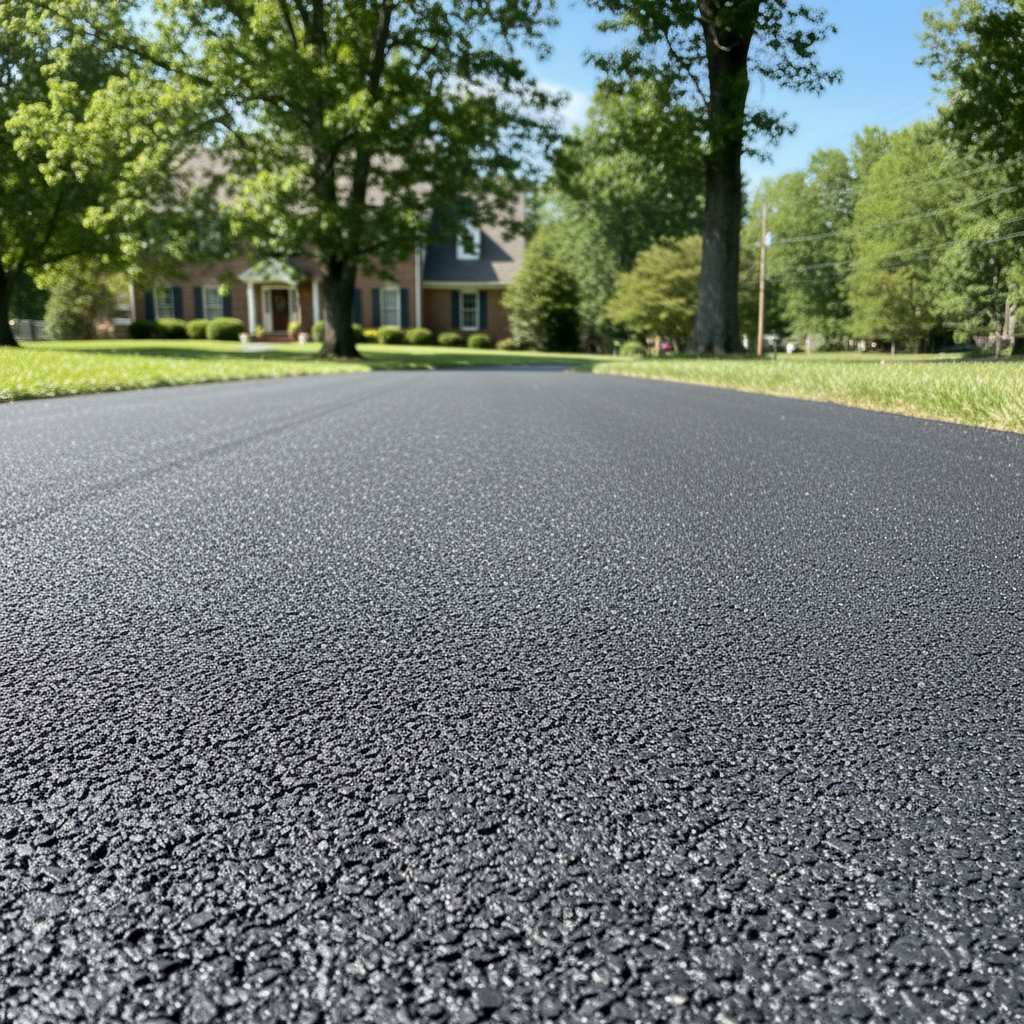
Ever heard the term 'asphalt milling' and wondered what the heck it even means for your driveway or parking lot? You're not alone. I get a lot of questions about this process, especially from folks here in Louisville looking to fix up their properties without breaking the bank. It's a smart solution for a lot of situations, but it's not always the right one, is it? Let's dig into some of the common questions I hear and get you some straight answers.
What exactly is asphalt milling?
Alright, let's start simple. Asphalt milling, sometimes called 'cold planing' or 'asphalt recycling,' is basically like taking a giant, specialized planer to your existing asphalt surface. We use a machine with a rotating drum that has a bunch of cutting teeth on it. This machine grinds up the top layer of your old, worn-out asphalt into small, reusable pieces. Think of it like shaving off the top crust of a pie that's seen better days, leaving the good stuff underneath. We do this to remove damaged sections, correct drainage issues, or simply prepare the surface for a new layer of asphalt without having to tear out everything down to the dirt.
Why would I choose milling over a full tear-out and replacement?
Good question, and it's usually about a few things: cost, time, and convenience. A full tear-out means digging up everything, hauling it away, and then bringing in all new material. That's a big job. Milling, on the other hand, is generally much quicker and less disruptive. We're only removing the top few inches, not the whole foundation. This means less labor, less material to dispose of, and often, less time your driveway or parking lot is out of commission. Plus, the milled material itself can often be recycled right back into new asphalt mixes, which is good for the environment and can sometimes help keep costs down. You're essentially getting a fresh start on the surface without disturbing the solid base you might already have.
Is milling a permanent fix, or just a temporary band-aid?
That's a fair concern. Look, nothing lasts forever, especially with the crazy freeze-thaw cycles we get here in Louisville. But milling, when done right, is definitely more than a band-aid. It's a legitimate, long-term solution for many asphalt problems. We remove the cracked, rutted, or otherwise damaged surface. Then, we can either re-compact that milled material as a new base, or more commonly, we'll put a fresh layer of asphalt over the newly milled surface. The key is that we're addressing the surface issues directly. If your base layer is completely shot – like if you've got major sinkholes or a really soft, unstable foundation – then milling alone won't fix that. In those cases, you'd be looking at a full reconstruction. But for surface deterioration, it's a solid, lasting repair.
How thick of a layer can you mill off?
The thickness we can mill off really depends on the project and the equipment. Most machines can mill anywhere from a couple of inches up to a foot or more in a single pass. For residential driveways or smaller commercial lots, we're usually talking about removing two to four inches of the existing asphalt. This is typically enough to get rid of surface cracks, potholes, and level out any uneven spots. We're not trying to dig to China; we're just taking off the bad stuff to create a clean, consistent surface for the new asphalt to bond to. We'll assess your specific situation to figure out the optimal depth.
What happens to all the asphalt after it's milled?
That's one of the cool parts about milling! The asphalt we grind up, called 'reclaimed asphalt pavement' or 'RAP,' isn't just waste. It's actually a valuable material. Most of the time, we haul it off to an asphalt plant where it gets processed and incorporated into new asphalt mixes. It's a great way to recycle and reduce the demand for virgin aggregates and asphalt binder. Sometimes, for certain projects, the milled material can even be reused right there on site as a base layer, especially for things like temporary roads or parking areas that don't need a super-smooth finish. It's all about being efficient and sustainable, which is something we care about at Absolute Asphalt Co.
Will milling affect my property's drainage?
Absolutely, but in a good way! One of the big advantages of milling is that it gives us a chance to correct drainage problems. If your driveway has puddles that never seem to go away after a good rain, or if water is pooling near your foundation, milling can help. We can adjust the grade and slope of the surface during the milling process to ensure water flows away properly. This is crucial here in Louisville, especially with our clay soils that don't drain well naturally. Getting the water to run off your asphalt and into the storm drains or other designated areas is key to preventing future damage and extending the life of your pavement. We'll always look at your existing drainage and make recommendations to improve it if needed.
How long does the milling process take?
The actual milling part is usually pretty fast, especially compared to a full tear-out. For an average residential driveway, the milling itself might only take a few hours. For larger commercial parking lots, it could be a day or two. The overall project time includes prep work, the milling, and then laying down the new asphalt, if that's part of the plan. We're talking about days, not weeks, for most projects. We always aim to get in, get the job done right, and get out so you can get back to using your property as quickly as possible. We'll give you a clear timeline when we provide a quote for your specific job.
When is milling NOT the right solution for my asphalt?
That's an important distinction. While milling is great for surface issues like cracking, rutting, or minor unevenness, it's not a miracle cure for everything. If your asphalt has severe structural damage – meaning the base layer underneath is failing, you've got major potholes that go deep, or the entire pavement is heaving and sinking in multiple spots – then milling might just be putting lipstick on a pig. You'd be better off with a full removal and replacement to address those deep-seated problems. Also, if your asphalt is just too thin to begin with, or if it's already had multiple overlays, milling might not leave enough material to work with. We'll always do a thorough inspection to tell you honestly if milling is the best approach or if you need something more extensive.